Price per square metre
- All property types
- €6,067 / sqm
- Apartment
- €5,825 / sqm
- Villa
- €6,789 / sqm
- Penthouse
- €6,731 / sqm
Data as of · October 2026
Costa del Sol
A local guide to Marbella on the Costa del Sol: what the area is like, who lives here, and live asking prices.
Overview
Climate, transport, population and what Marbella is known for.
Marbella sits on the central Costa del Sol coast, stretching from the Mediterranean shoreline up into the foothills of the Sierra Blanca mountains. The town blends an old Andalusian core with one of Europe's most established luxury coastal communities, drawing a mix of Spanish families, northern European residents, and international second-home owners who appreciate year-round sunshine, a developed infrastructure, and access to beaches, golf courses, and marinas.
Unlike quieter coastal villages or busier urban centres, Marbella offers a settled, mature environment where proximity to services, dining, and leisure facilities is taken for granted.
The old town, Casco Antiguo, forms the historic heart, with whitewashed buildings, narrow streets lined with orange trees, and the Plaza de los Naranjos at its centre. This area maintains a traditional Spanish character, attracting locals and visitors to its tapas bars, artisan shops, and small plazas. East and west of the old quarter, the town fans out into residential neighbourhoods, commercial districts, and urbanisations that vary considerably in character and density.
To the west, Nueva Andalucía and the area around Puerto Banús form a distinct zone with golf valleys, gated communities, and shopping centres. San Pedro de Alcántara, technically part of the Marbella municipality, sits further west and retains a more grounded, family-oriented atmosphere with a traditional town square, local market, and tree-lined boulevards. To the east, Elviria and the Costa Bella stretch toward Cabopino, offering quieter beachside developments, the Elviria commercial centre, and access to less crowded beaches.
The Golden Mile, running between the old town and Puerto Banús along the N-340 coastal road, concentrates many of Marbella's most established villas, hotels, and estates. This strip includes the Marbella Club Hotel area, Puente Romano, and Nagueles, where large gardens, mature palms, and proximity to the beach define the setting. Further inland, hillside zones such as Sierra Blanca, Cascada de Camojan, and Altos de Puente Romano rise into the foothills, offering mountain views, gated security, and a clear separation from the coastal density.
The property stock in Marbella ranges from small apartments in the old town and suburban blocks to large detached villas with private pools and sea or mountain views. Beachside developments concentrate along the coast, often within gated schemes that include shared pools, gardens, and direct beach access. The Golden Mile and hillside areas hold many large plots with mature gardens, while Nueva Andalucía and Elviria offer a mix of golf-adjacent villas and mid-rise apartments built over several decades. San Pedro includes more modestly scaled homes, townhouses, and older apartment blocks that appeal to year-round residents.
Buyers in Marbella include Spanish nationals seeking permanent homes or holiday properties, northern European retirees or remote workers, and international families attracted by the international schools and established expatriate community. The town draws those who prioritise convenience, variety in leisure and dining, and a developed social infrastructure. The breadth of settings means buyers can choose between beachfront proximity, hillside seclusion, or proximity to golf courses, though competition for well-located homes remains steady due to the area's longstanding reputation.
Daily life in Marbella revolves around a predictable rhythm of beach mornings, long lunches, and evening walks along the promenade. The old town and Puerto Banús offer contrasting dining experiences, from traditional Andalusian taverns to international restaurants and waterfront terraces. Supermarkets, pharmacies, banks, and specialist shops are plentiful, and the presence of a large year-round population means services remain open through winter, unlike more seasonal coastal towns. Local markets, including the Saturday street market in the old town and the weekly market in San Pedro, draw both residents and visitors.
Marbella's beaches stretch for over 20 kilometres, with a mix of chiringuitos, public access points, and private beach clubs. The eastern beaches around Cabopino and Don Carlos tend to be less crowded, while central stretches near the old town and Fontanilla see heavier use in summer. Golf courses dot Nueva Andalucía, Elviria, and the hills above San Pedro, and many residents maintain memberships at clubs such as Los Naranjos, Aloha, or Rio Real. Recreational options include tennis clubs, sailing from Puerto Banús or Cabopino marina, and hiking routes in the Sierra Blanca foothills. Summer months bring higher temperatures, busier beaches, and an influx of tourists, while autumn through spring sees a quieter, more residential pace.
Marbella suits those who want a developed coastal town with a broad range of services, leisure facilities, and a year-round community. Retirees, families with school-age children, and remote workers who value reliable infrastructure, healthcare access, and a choice of social activities find the town practical and well-suited to permanent or semi-permanent residence. The international character means English is widely spoken, and the presence of international schools, clinics, and clubs creates a ready-made network for newcomers.
Those seeking a quiet, undiscovered corner of the coast or a traditional Andalusian village experience will likely find Marbella too busy, too developed, and too oriented toward tourism and expatriate life. The town's popularity brings traffic congestion, particularly in summer and along the coastal road, and the variety of architectural styles and development densities can feel uneven. Buyers who prioritise solitude, rural settings, or a strongly Spanish local culture may be better served by smaller towns further east or inland.
Málaga airport sits 50 kilometres east, accessible via the AP-7 toll motorway or the slower A-7 coastal road. The town has several international schools, including Aloha College, Swans International School, and the English International College, as well as Spanish state schools. Healthcare services include the Hospital Costa del Sol in nearby Mijas Costa, several private clinics in Marbella itself, and a concentration of medical specialists familiar with treating expatriate residents. Regular bus services connect Marbella to Málaga, Fuengirola, Estepona, and neighbouring towns, and the town's size means many amenities are reachable on foot or by short drive.
What you'll find here
What's nearby
Explore Marbella by area
Each neighbourhood has its own rhythm. Pick where to start.
 452 homes
A local guide to Nueva Andalucía.
 146 homes
A local guide to Puerto Banús.
 146 homes
A local guide to The Golden Mile.
 122 homes
A local guide to San Pedro de Alcántara.
 55 homes
A local guide to Guadalmina Alta.
 41 homes
A local guide to Guadalmina Baja.
Market data
Live pricing snapshot, refreshed daily from active Marbella listings.
Marbella properties
Hand-picked homes in Marbella, Costa del Sol.

Sierra Blanca · Costa del Sol
€25.95M
Price
10
Beds
14
Baths
2442 m²
Built area
Puerto Banús · Costa del Sol
€24M
Price
8
Beds
5.1
Baths
986 m²
Built area
The Golden Mile · Costa del Sol
€19.85M
Price
14
Beds
12
Baths
2100 m²
Built area

The Golden Mile · Costa del Sol
€15.90M
Price
4
Beds
7
Baths
519 m²
Built area
New build
Off-plan and newly completed projects in Marbella, Costa del Sol.

Nagüeles · Costa del Sol
From €5,760,000
Price
5
Beds
TBC
Delivery
675
Built m²

San Pedro de Alcántara · Costa del Sol
From €1,204,970
Price
3 to 4
Beds
Q1 2028
Delivery
253
Built m²

Marbella · Costa del Sol
From €5,400,000
Price
4
Beds
Q4 2027
Delivery
397
Built m²

Marbella · Costa del Sol
From €5,500,000
Price
5
Beds
Q1 2027
Delivery
525
Built m²

Nagüeles · Costa del Sol
From €4,550,000
Price
4
Beds
TBC
Delivery
267
Built m²

Marbesa · Costa del Sol
From €3,495,000
Price
4
Beds
Q3 2027
Delivery
400
Built m²
Marbella properties
Marbella properties updated daily from live listings.
Price reduced
New to market
Property types
2,060 homes across 5 property types in Marbella.
Marbella
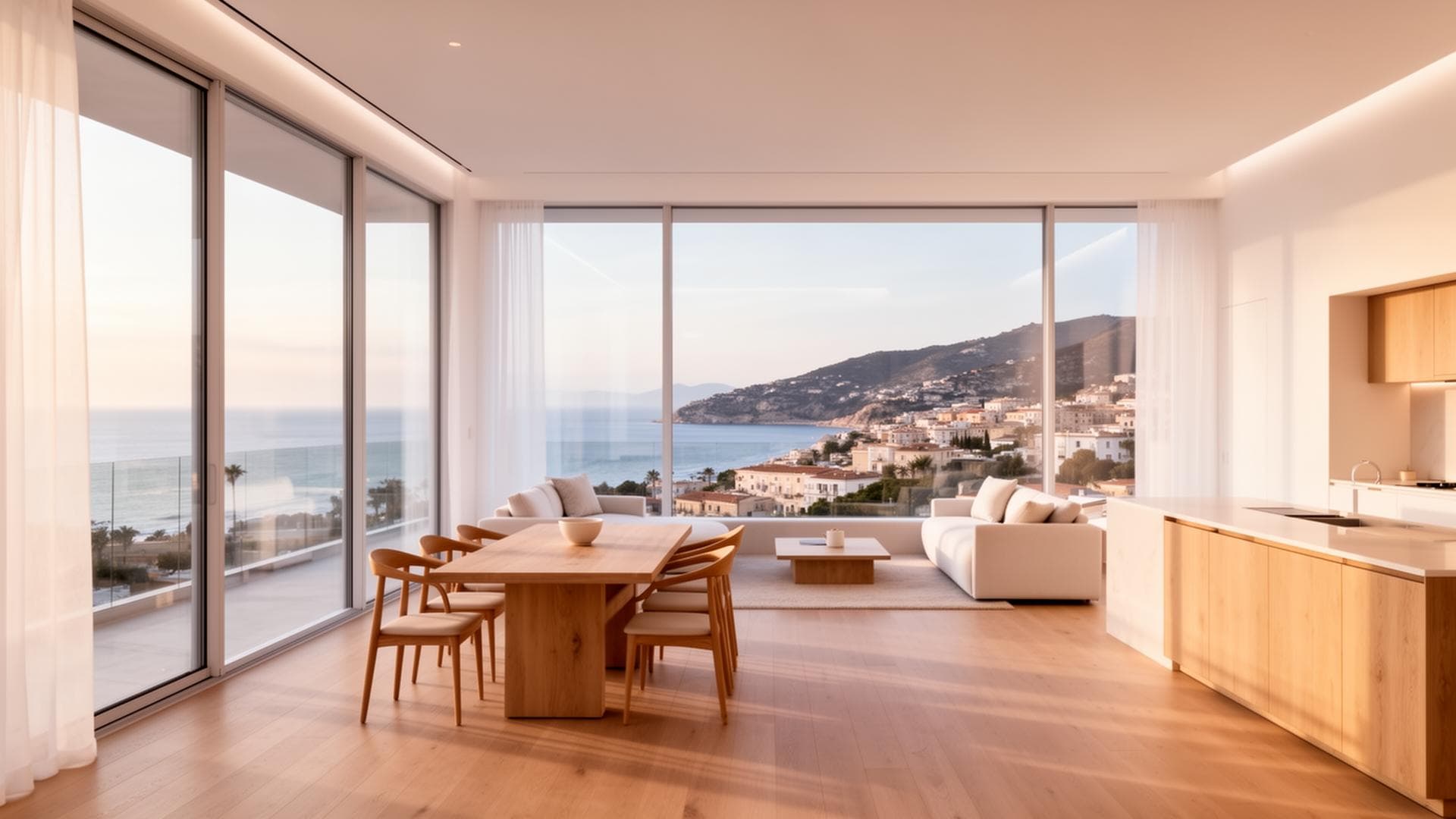
Apartments for sale in Marbella
937
Listings
€6,067
Avg / sqm
Marbella
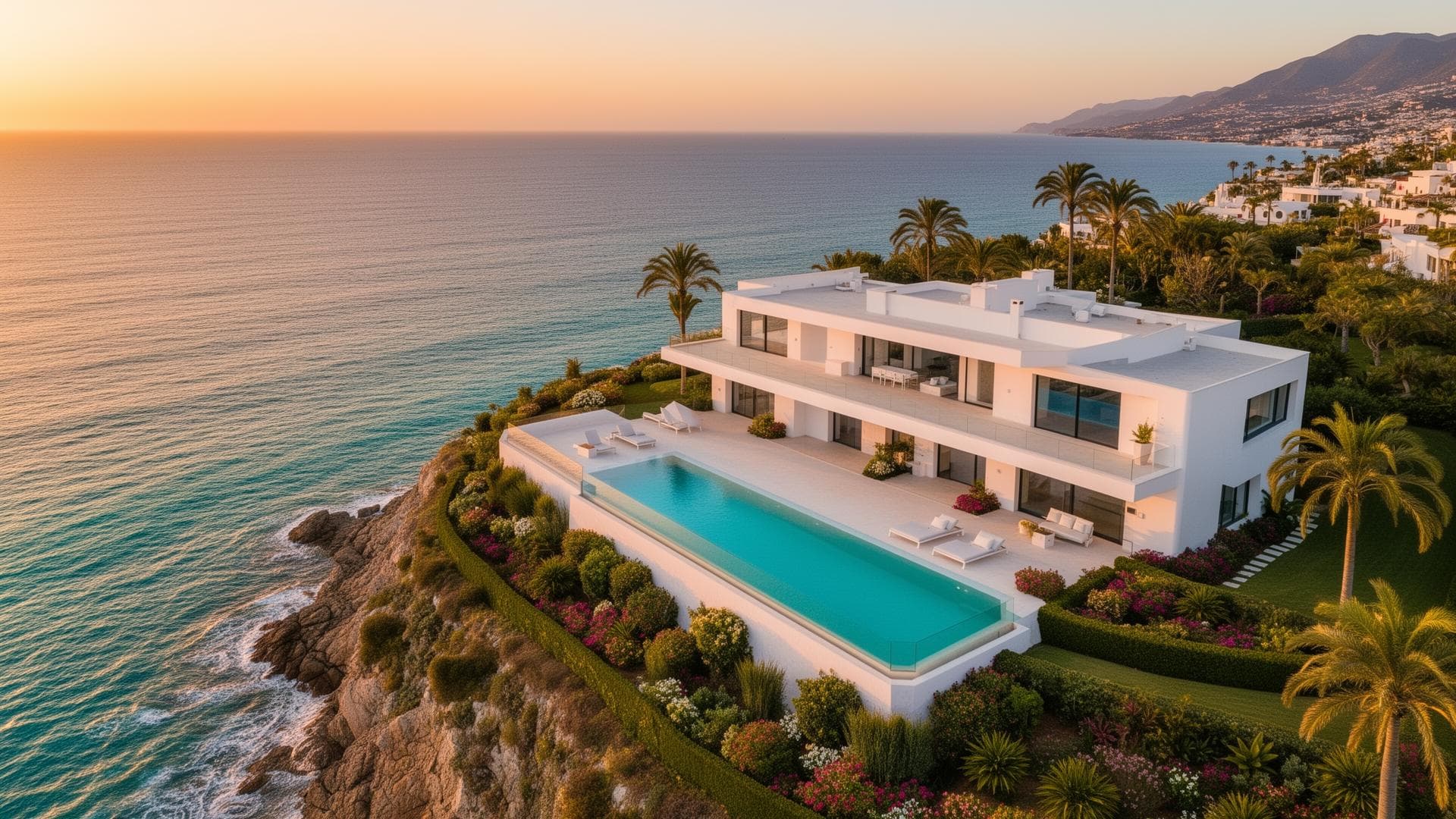
Villas for sale in Marbella
630
Listings
€6,067
Avg / sqm
Marbella
Penthouses for sale in Marbella
277
Listings
€6,067
Avg / sqm
Marbella
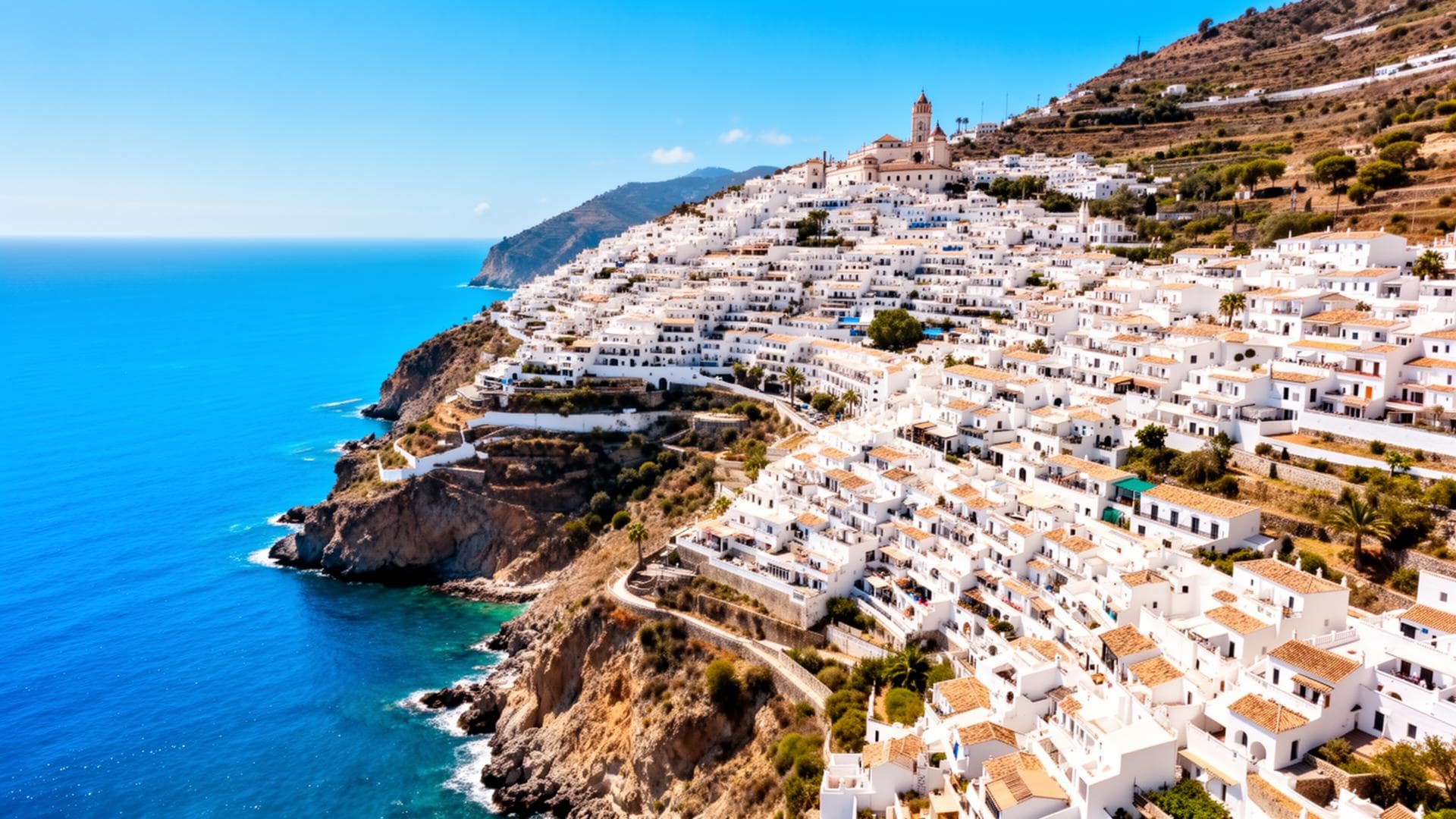
Townhouses for sale in Marbella
213
Listings
€6,067
Avg / sqm
Marbella
Fincas for sale in Marbella
3
Listings
€6,067
Avg / sqm
Search by setting
Beachfront
Communities
Marbella guides
In-depth guides for international buyers considering Marbella, Costa del Sol.
Taxes, legal steps, timelines, viewing trips, financing, and the quirks foreign buyers need to know, step by step.
IBI, the Modelo 210 tax non-residents forget, community fees and selling costs, with 2026 Andalucía rates and a worked example.
An honest verdict with town-by-town Costa del Sol prices, the real risks, and who should not buy.