Price per square metre
- All property types
- €4,694 / sqm
- Apartment
- €4,835 / sqm
- Villa
- €4,734 / sqm
- Penthouse
- €5,495 / sqm
Data as of · October 2026
Costa del Sol
A local guide to the Costa del Sol: towns, what each area is like, and live asking prices.
Overview
Climate, transport, population and what Costa del Sol is known for.
Costa del Sol averages €5,575 per square metre as of June 2026, making it Spain's most expensive coastal market by a significant margin. The coast runs 150 kilometres from Nerja in the east to Estepona in the west, with 7,234 active listings ranging from €75,000 apartments in older blocks to €28,950,000 villas in gated communities.
Buyers pay a premium for year-round accessibility, established infrastructure, and a property market that has absorbed international demand for five decades. The coast splits into distinct zones: the eastern end around Nerja and Torrox attracts northern European retirees seeking lower prices, the central stretch from Torremolinos to Marbella serves the luxury and golf market, and the western towns from Estepona to Manilva offer newer developments at slightly softer prices.
This coast feels like a mature market that has moved past its resort origins without fully shedding them. The seafront between Torremolinos and Fuengirola still carries the architectural legacy of 1970s package tourism, but inland developments built since 2000 cater to permanent residents and long-term renters. You see this in the school runs along the A7, the year-round gym memberships, the weekday morning traffic into Marbella. The expat composition skews British, Scandinavian, and increasingly Belgian and Dutch, with pockets of German buyers concentrated around Mijas and Alhaurín de la Torre.
The seasonal rhythm is less pronounced than on Costa Blanca. August brings Spanish families to the beaches and inflates restaurant prices, but the coast never empties in winter the way smaller resort areas do. Golf courses stay busy through January, supermarkets stock fresh produce year-round, and you can book a physio appointment in February without waiting three weeks. This consistency comes at a cost: traffic on the coastal A7 between Marbella and Fuengirola runs heavy most of the year, and finding street parking in Puerto Banús or Estepona old town requires patience even in November.
The coast's personality shifts noticeably as you move west. Nerja and Torrox Costa retain a quieter, more Spanish character, with lower-rise buildings and a higher proportion of Spanish second-home owners. Fuengirola and Benalmádena function as working towns with large permanent populations, international schools, and a full range of services. Marbella operates as the commercial and social hub, with the Golden Mile and Sierra Blanca representing the top end of the market. Estepona has reinvented itself over the past decade, attracting buyers priced out of Marbella but seeking similar amenities. The stretch between San Pedro de Alcántara and Sotogrande contains the densest concentration of golf courses in Europe, which defines the buyer profile and the rhythm of daily life in those areas.
Marbella remains the anchor of the coast's luxury market, with the Golden Mile, Sierra Blanca, and Nueva Andalucía commanding the highest prices. Buyers here are purchasing proximity to Puerto Banús, private schools like Aloha College, and a concentration of high-end services. Villas in Sierra Blanca regularly exceed €10,000 per square metre, while apartments in newer developments along the Golden Mile sit between €6,500 and €8,500 per square metre. The town itself offers a functional old quarter, a long beachfront promenade, and enough year-round activity to support permanent residence. Traffic and parking present daily friction points, and the summer population surge tests infrastructure limits.
Estepona has emerged as the primary alternative to Marbella for buyers seeking similar amenities at a 20 to 30 percent discount. The old town has been systematically renovated, the beachfront promenade extends for kilometres, and new developments between the town and San Pedro offer modern apartments with sea views. Prices here average €4,200 to €5,800 per square metre depending on proximity to the beach and development quality. The town attracts a mix of retirees, remote workers, and families using international schools in nearby Benahavís or San Pedro.
Fuengirola functions as the coast's most practical town for year-round living without a car. The town centre sits compact and walkable, the train connects to Málaga airport in 35 minutes, and the mix of Spanish and international residents supports a full range of services. Prices run lower than Marbella or Estepona, with older beachfront apartments starting around €3,800 per square metre and newer developments in Los Boliches or Torreblanca reaching €5,200 per square metre. Buyers here prioritise functionality over prestige.
Nerja anchors the eastern end of the coast with a different character entirely. The town has resisted high-rise development, maintaining a lower density and a higher proportion of Spanish buyers. Prices average €4,500 to €5,500 per square metre, with premium locations near Burriana beach or the Balcón de Europa commanding more. The drive to Málaga airport takes 55 minutes via the coastal road, which limits appeal for frequent travellers but suits buyers seeking distance from the coast's busier western stretch.
Benahavís, located inland above Estepona, serves the golf market almost exclusively. The municipality contains no beach access but includes parts of several golf courses and gated villa communities. Buyers here accept the 15-minute drive to the coast in exchange for larger plots, mountain views, and proximity to courses like La Quinta and Los Arqueros. Prices vary widely depending on the specific urbanisation, ranging from €3,500 per square metre in older developments to €7,000 per square metre in recent builds with golf course frontage.
The average price of €5,575 per square metre as of June 2026 places Costa del Sol 54 percent above the Spanish coastal average of €3,628 per square metre and significantly ahead of Costa Blanca's €3,628 per square metre. This premium reflects decades of infrastructure investment, direct flights from over 100 European cities, and a property market that has absorbed consistent international demand since the 1980s. Apartments account for 3,259 of the 7,234 active listings, averaging €5,675 per square metre, while the 2,001 villas listed average €5,791 per square metre. The 921 penthouses and 750 townhouses on the market indicate strong demand for property types that offer outdoor space and privacy.
The €75,000 entry point represents older apartments in towns like Torremolinos or Fuengirola, typically requiring renovation and located away from the beachfront. The €28,950,000 top end reflects ultra-luxury villas in Sierra Blanca, La Zagaleta, or beachfront plots in Marbella's Golden Mile. The average transaction price of €1,284,601 sits well above the Spanish coastal average, indicating that the market skews toward larger properties and higher specifications than other Mediterranean coasts.
Price spread across the coast remains significant. Eastern towns like Nerja and Torrox Costa average 15 to 25 percent below the coastal mean, while central Marbella and western Sotogrande exceed it by 30 to 60 percent depending on the specific location. This spread allows buyers with different budgets to access the same climate and infrastructure, though lifestyle and social networks differ markedly between price tiers.
Buyer composition has shifted over the past five years. British buyers, historically dominant, now represent approximately 35 percent of international transactions, down from over 50 percent in 2015. Scandinavian, Belgian, Dutch, and French buyers have increased their share, and Spanish nationals from Madrid and Barcelona account for a growing proportion of purchases in towns like Estepona and Mijas. The market continues to favour properties offering rental potential, with buyers increasingly purchasing as an investment rather than purely for personal use.
Morning routines on this coast involve beach walks along the Paseo Marítimo in Marbella, early tee times at courses like Finca Cortesín or Valderrama, or coffee at one of the cafés lining Estepona's Plaza de las Flores. The 320 days of sunshine per year make outdoor activity the default, and the January average of 13°C allows year-round golf and hiking in the hills above Ojén or Istán. August reaches 29°C on average, with sea temperatures hitting 24°C, which brings crowds to beaches like Cabopino, El Saladillo, and Playa de la Rada.
Weekends see locals and residents filling the markets in Estepona on Sunday mornings, sailing out of Puerto Banús or Cabopino marina, or driving inland to villages like Casares or Gaucín for lunch. The off-season from November through March offers the coast at its most functional: restaurants in Marbella old town stay open, Fuengirola's Los Boliches district maintains its weekday rhythm, and you can book a table at Skina or El Lago without a month's notice.
The coast supports a full range of activities without requiring a car if you live in the right town. Fuengirola, Marbella, and Estepona all offer walkable town centres, regular bus services, and the coastal train line connecting Málaga airport to Fuengirola. Buyers in gated communities outside these towns, particularly around Benahavís or Mijas Golf, depend entirely on cars for daily errands. The AP7 toll motorway runs parallel to the coast and cuts drive times significantly, though the free A7 coastal road remains heavily used and congested during peak hours.
This coast suits buyers who prioritise accessibility, established infrastructure, and year-round services over undiscovered character or value. Retirees from northern Europe, families using international schools, and remote workers seeking reliable internet and direct flights make up the core buyer base. The golf market remains strong, particularly in the stretch between San Pedro and Sotogrande, where proximity to courses drives purchase decisions more than beach access.
Buyers seeking a slower pace, lower prices, or a more Spanish environment will find better options on Costa de la Luz, Costa Tropical, or the northern stretches of Costa Blanca. The premium you pay on Costa del Sol buys convenience and consistency, not authenticity or isolation. Traffic, particularly along the A7 between Fuengirola and Marbella, presents a daily limitation for buyers who underestimate how much time they will spend in a car. What keeps people returning is the reliability: the infrastructure works, the flights run year-round, and the services you need are available without a 40-minute drive.
Málaga airport sits 15 minutes from Torremolinos, 25 minutes from Fuengirola, 45 minutes from Marbella, and 65 minutes from Estepona via the AP7 toll motorway. The airport serves over 140 routes, with year-round connections to London, Manchester, Oslo, Stockholm, Brussels, and Amsterdam. The coastal train line runs from Málaga to Fuengirola with stops in Torremolinos and Benalmádena, offering a car-free option for residents in those towns. The A7 coastal road and AP7 toll motorway provide access along the entire coast, though the A7 experiences heavy congestion during summer months and weekday commuting hours.
Healthcare infrastructure includes the Costa del Sol Hospital in Marbella, Quirónsalud hospitals in Marbella and Estepona, and numerous private clinics serving the international population. International schools concentrate in the Marbella and Benahavís areas, including Aloha College, The British College of Marbella, and Swans International School. Estepona and Fuengirola offer additional international school options for families living in those towns. All coastal towns provide full supermarket access, including Mercadona, Lidl, and Carrefour, with larger shopping centres in Marbella, Fuengirola, and Estepona.
What you'll find here
In Costa del Sol
8,024 listings
Browse listingsIn Costa del Sol
461 projects
View projectsIn Costa del Sol
€4,694/m² average
See market dataExplore the coast
Each town has its own rhythm. Pick where to start.
 2,060 homes
Golden Mile, Nueva Andalucía, Sierra Blanca.
 1,399 homes
Old town charm, new beachfront developments.
 1,047 homes
Hillside villages and Costa coast living.
 555 homes
Gated golf valleys above Marbella.
 524 homes
Marina life, family beaches, easy airport.
 554 homes
Walkable seafront and direct train to Málaga.
Market data
Live pricing snapshot, refreshed daily from active Costa del Sol listings.
Costa del Sol properties
Hand-picked homes in Costa del Sol, Costa del Sol.
La Quinta · Costa del Sol
€28.95M
Price
8
Beds
13
Baths
2443 m²
Built area
Sierra Blanca · Costa del Sol
€25.95M
Price
10
Beds
14
Baths
2442 m²
Built area

Puerto Banús · Costa del Sol
€24M
Price
8
Beds
5.1
Baths
986 m²
Built area

Benahavís · Costa del Sol
€21.50M
Price
8
Beds
9.5
Baths
1696 m²
Built area
New build
Off-plan and newly completed projects in Costa del Sol, Costa del Sol.

Benalmádena · Costa del Sol
From €821,750
Price
2 to 3
Beds
TBC
Delivery
96
Built m²

Benahavís · Costa del Sol
From €3,250,000
Price
4
Beds
TBC
Delivery
527
Built m²

Las Lagunas · Costa del Sol
From €421,000
Price
1 to 3
Beds
Q4 2027
Delivery
82
Built m²

Estepona · Costa del Sol
From €464,000
Price
1 to 3
Beds
Q1 2028
Delivery
65
Built m²

Nagüeles · Costa del Sol
From €5,760,000
Price
5
Beds
TBC
Delivery
675
Built m²

Benahavís · Costa del Sol
From €11,950,000
Price
6
Beds
TBC
Delivery
1,309
Built m²
Costa del Sol properties
Costa del Sol properties updated daily from live listings.
Price reduced
New to market
Property types
8,023 homes across 5 property types in Costa del Sol.
Costa del Sol
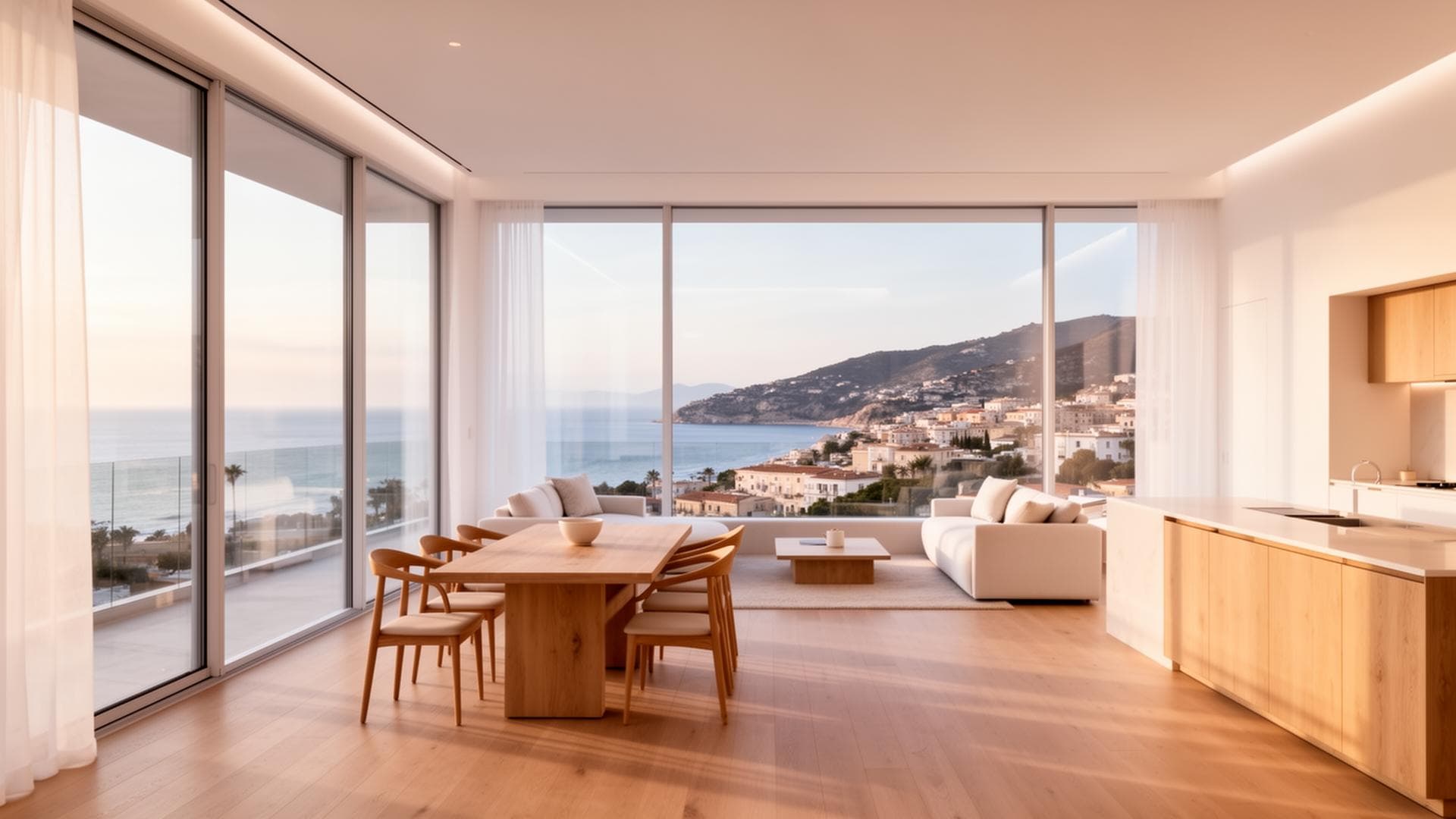
Apartments for sale in Costa del Sol
3,612
Listings
€4,694
Avg / sqm
Costa del Sol
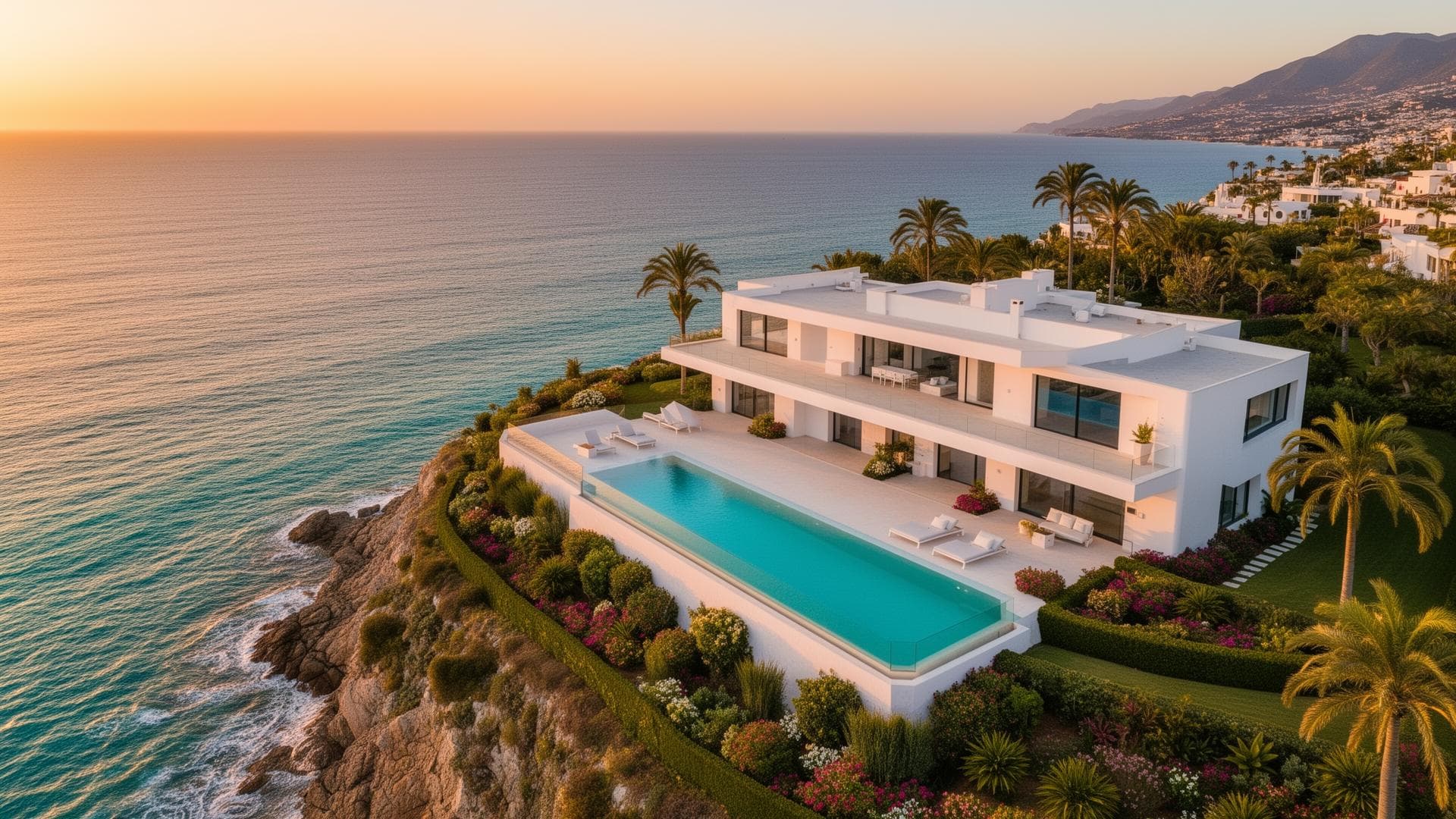
Villas for sale in Costa del Sol
2,257
Listings
€4,694
Avg / sqm
Costa del Sol
Penthouses for sale in Costa del Sol
1,052
Listings
€4,694
Avg / sqm
Costa del Sol
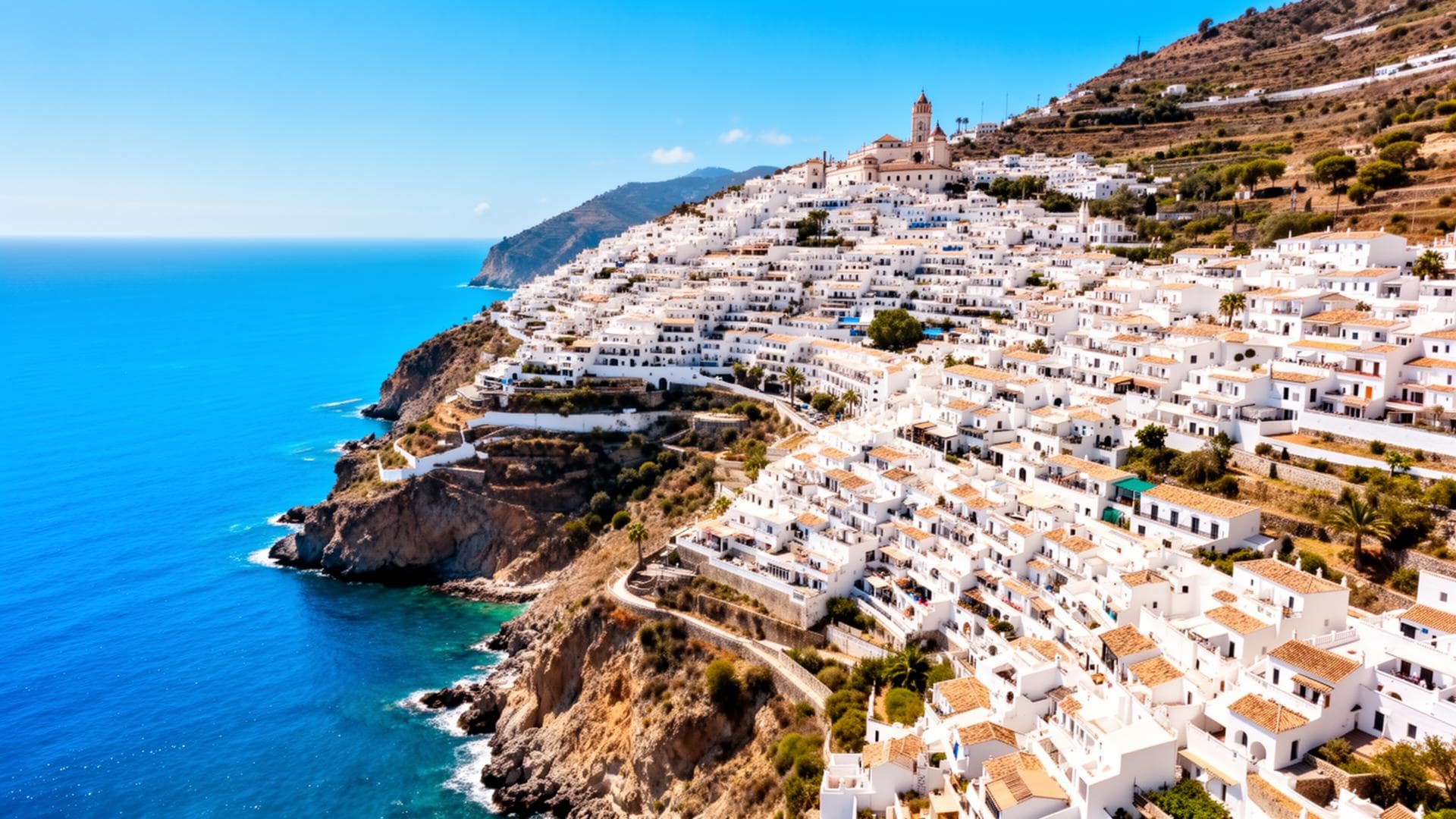
Townhouses for sale in Costa del Sol
855
Listings
€4,694
Avg / sqm
Costa del Sol
Fincas for sale in Costa del Sol
247
Listings
€4,694
Avg / sqm
Search by setting
Beachfront
Golf
Gated community
Costa del Sol guides
In-depth guides for international buyers considering Costa del Sol, Costa del Sol.
Taxes, legal steps, timelines, viewing trips, financing, and the quirks foreign buyers need to know, step by step.
IBI, the Modelo 210 tax non-residents forget, community fees and selling costs, with 2026 Andalucía rates and a worked example.
An honest verdict with town-by-town Costa del Sol prices, the real risks, and who should not buy.