Price per square metre
- All property types
- €2,883 / sqm
- Villa
- €2,889 / sqm
Data as of · October 2026
Costa del Sol
A local guide to Alhaurín de la Torre on the Costa del Sol: what the area is like, who lives here, and live asking prices.
Overview
Climate, transport, population and what Alhaurín de la Torre is known for.
Alhaurín de la Torre sits 17 kilometres inland from Málaga's coast, a municipality where property averages €3,277 per square metre as of June 2026, substantially below the Costa del Sol average of €5,575 per square metre. With 47 active listings ranging from €319,000 to €2,200,000, this is a Spanish town that has absorbed international buyers without losing its working character, offering villa plots and townhouse developments within 15 minutes of Málaga airport but priced for buyers who prioritise space and schools over beachfront access.
The town splits into distinct zones that feel nothing like each other. The old centre around Plaza de la Juventud retains a Spanish rhythm, with morning markets on Thursdays, elderly men in the bars along Calle Mendez Nuñez, and families shopping at Mercadona rather than ordering online. This is not a place where you hear English in every second conversation. Head west toward the Lauro Golf area or south into the urbanisations near El Romeral, and the character shifts entirely. Here you find gated villa communities, bilingual schools, and streets where half the residents are northern European families who moved for the international schools and the extra square meterage their money buys compared to Marbella or Fuengirola.
The A-404 road cuts through the municipality, linking it to the A-7 coastal motorway in one direction and the Guadalhorce valley in the other. This artery has shaped development patterns. Newer builds cluster along the southern edge near the Málaga border, where you can reach the airport in under 20 minutes outside rush hour. The northern parts, up toward the Sierra de Mijas foothills, feel more rural, with older cortijos converted into family homes and olive groves still visible between housing plots. The town lacks a single postcard image, no harbour or historic plaza that defines it. Instead, it functions as a residential base, a place where people live year-round rather than visit for a fortnight. The population swells to over 40,000 now, triple what it was in the 1980s, and that growth shows in the mix of architectural styles, from whitewashed village houses to angular modernist villas that would look at home in any European suburb.
At €3,277 per square metre in June 2026, Alhaurín de la Torre sits well below the Costa del Sol's municipal average of €5,575 per square metre, and dramatically cheaper than Marbella at €6,908 per square metre or Fuengirola at €6,410 per square metre. The 47 active listings break down to 24 villas averaging €3,416 per square metre, 10 townhouses, 3 apartments at €3,105 per square metre, and 2 penthouses. The price spread from €319,000 to €2,200,000 reflects the range between older townhouses in need of updating and large modern villas with pools on the golf course perimeter.
Villa stock dominates because land has been available and relatively affordable compared to the coastal strip. Buyers here typically purchase plots of 500 to 1,000 square metres, sometimes more, which would cost double or triple in Benalmádena or Torremolinos for equivalent space. The average transaction price of €892,596 as of June 2026 suggests a market focused on family homes rather than investment apartments. You do not see the same churn of holiday rental buyers that characterises Fuengirola or Nerja. Most purchases are for permanent or long-term semi-permanent residence, which keeps the market steadier but also means liquidity can be slower if you need to sell quickly.
The municipality has seen consistent demand from British, Scandinavian, and increasingly remote-working Spanish families relocating from Madrid or Barcelona. Prices have risen approximately 18 percent since 2021, a slower climb than Marbella's 27 percent over the same period, but the gap reflects the lack of sea views and the functional rather than aspirational nature of the location. You buy here for the schools, the space, the airport access, and the price per square metre. You do not buy here for the lifestyle brand or the marina access. That distinction keeps the market grounded and the buyer profile specific.
Daily life here revolves around school runs, supermarket trips, and weekend drives rather than beach clubs or tapas crawls in a historic quarter. Families use the Parque Prados del Perú for weekend picnics, a large green space with playgrounds and walking paths that fills with locals on Sunday mornings. Lauro Golf, the 27-hole course designed by Folco Nardi, sits on the western edge of the municipality and attracts a steady membership of residents rather than tourist players. The greens are well maintained, the clubhouse functional rather than luxurious, and tee times are easier to secure than at the coastal courses in Mijas or Estepona.
For dining, you find neighbourhood restaurants rather than destination venues. El Rincón de Manolete on Avenida de España serves traditional Andalusian dishes to a mostly Spanish clientele, while a handful of international restaurants near the Alhaurín Golf cater to the northern European population with Sunday roasts and familiar menus. The town has a Mercadona, a Lidl, a Carrefour Express, and a larger Carrefour on the edge of the municipality. You do not lack for practical amenities, but you will not find the artisan bakeries or organic markets that have proliferated in Marbella's old town.
The coast is a 20-minute drive, which means beach days require planning rather than spontaneity. Most families head to Torremolinos or Benalmádena beaches, parking in the summer can test patience, and by August the sand is crowded enough that many residents avoid it entirely. The mountains are closer. The Sierra de Mijas trails start a 15-minute drive north, offering hiking routes that are walkable even in July if you start early. This is a location for people who want proximity to the coast and the airport without paying coastal prices or tolerating coastal traffic every time they leave the house.
Alhaurín de la Torre suits families prioritising schools, space, and value over beachfront access or nightlife. The presence of Laude San Pedro International School, Colegio Británico de Málaga, and other bilingual institutions draws northern European families who want their children in English-language education while living in Spain. Retirees who want a villa with a pool and garden but find Marbella or Benahavís financially out of reach also buy here, accepting the trade-off of a 20-minute drive to the coast for an extra bedroom and twice the plot size.
This is not the right location for buyers who want to walk to a beach, a historic centre, or a marina. If your vision of Spanish life involves morning coffees in a plaza surrounded by centuries-old architecture, you will find Alhaurín de la Torre disappointing. The town functions well but does not inspire postcards. Buyers who thrive here are those who treat Spain as a place to live rather than a permanent holiday, who value school quality and square meterage over proximity to beach clubs, and who are comfortable driving for most activities. The repeat buyers and long-term residents are those who came for practical reasons and stayed because the quality of life, the climate with 320 days of sunshine per year, and the cost structure make sense for raising a family or enjoying a quiet retirement with the airport 15 minutes away when they need it.
Málaga-Costa del Sol Airport is 17 kilometres southeast, a drive that takes 15 to 20 minutes outside peak hours via the A-7 and A-404. Morning rush hour toward Málaga city can add 10 to 15 minutes. The A-404 connects directly to the A-7 coastal motorway, putting Marbella 35 minutes west and Málaga city centre 20 minutes east under normal conditions. The AP-46 toll road runs north toward Coín and the Guadalhorce valley, useful for accessing inland towns but less relevant for most buyers focused on the coast and airport.
The town has a 24-hour health centre, Centro de Salud de Alhaurín de la Torre, on Calle Narciso Díaz de Escovar, with the main Hospital Universitario Virgen de la Victoria in Málaga 15 kilometres away for serious medical needs. International schools include Laude San Pedro International School and Colegio Británico de Málaga, both within the municipality. Supermarkets, pharmacies, and banks are distributed throughout the town, with the largest commercial concentration along Avenida de España and near the Parque Comercial Málaga Nostrum on the southern edge. Public transport exists but is limited. Most residents rely on cars for daily errands, school runs, and trips to the coast or airport.
What you'll find here
What's nearby
In Alhaurín de la Torre
51 listings
Browse listingsIn Alhaurín de la Torre
3 projects
View projectsIn Alhaurín de la Torre
€2,883/m² average
See market dataExplore Alhaurín de la Torre by area
Each neighbourhood has its own rhythm. Pick where to start.
 3 homes
A local guide to Lauro Golf.
 1 homes
A local guide to Los Manantiales.
 1 homes
A local guide to Pinos de Alhaurín.
Market data
Live pricing snapshot, refreshed daily from active Alhaurín de la Torre listings.
Alhaurín de la Torre properties
Hand-picked homes in Alhaurín de la Torre, Costa del Sol.

Alhaurín de la Torre · Costa del Sol
€2.20M
Price
4
Beds
3
Baths
520 m²
Built area

Alhaurín de la Torre · Costa del Sol
€2.10M
Price
8
Beds
5
Baths
704 m²
Built area

Alhaurín de la Torre · Costa del Sol
€1.90M
Price
8
Beds
5.5
Baths
659 m²
Built area

Alhaurín de la Torre · Costa del Sol
€1.79M
Price
5
Beds
4.5
Baths
398 m²
Built area
New build
Off-plan and newly completed projects in Alhaurín de la Torre, Costa del Sol.

Alhaurín de la Torre · Costa del Sol
From €283,800
Price
1 to 3
Beds
TBC
Delivery
55
Built m²

Alhaurín de la Torre · Costa del Sol
From €890,000
Price
4
Beds
TBC
Delivery
259
Built m²

Alhaurín de la Torre · Costa del Sol
From €283,800
Price
1 to 3
Beds
TBC
Delivery
55
Built m²
Alhaurín de la Torre properties
Alhaurín de la Torre properties updated daily from live listings.
Price reduced
Property types
51 homes across 5 property types in Alhaurín de la Torre.
Alhaurín de la Torre
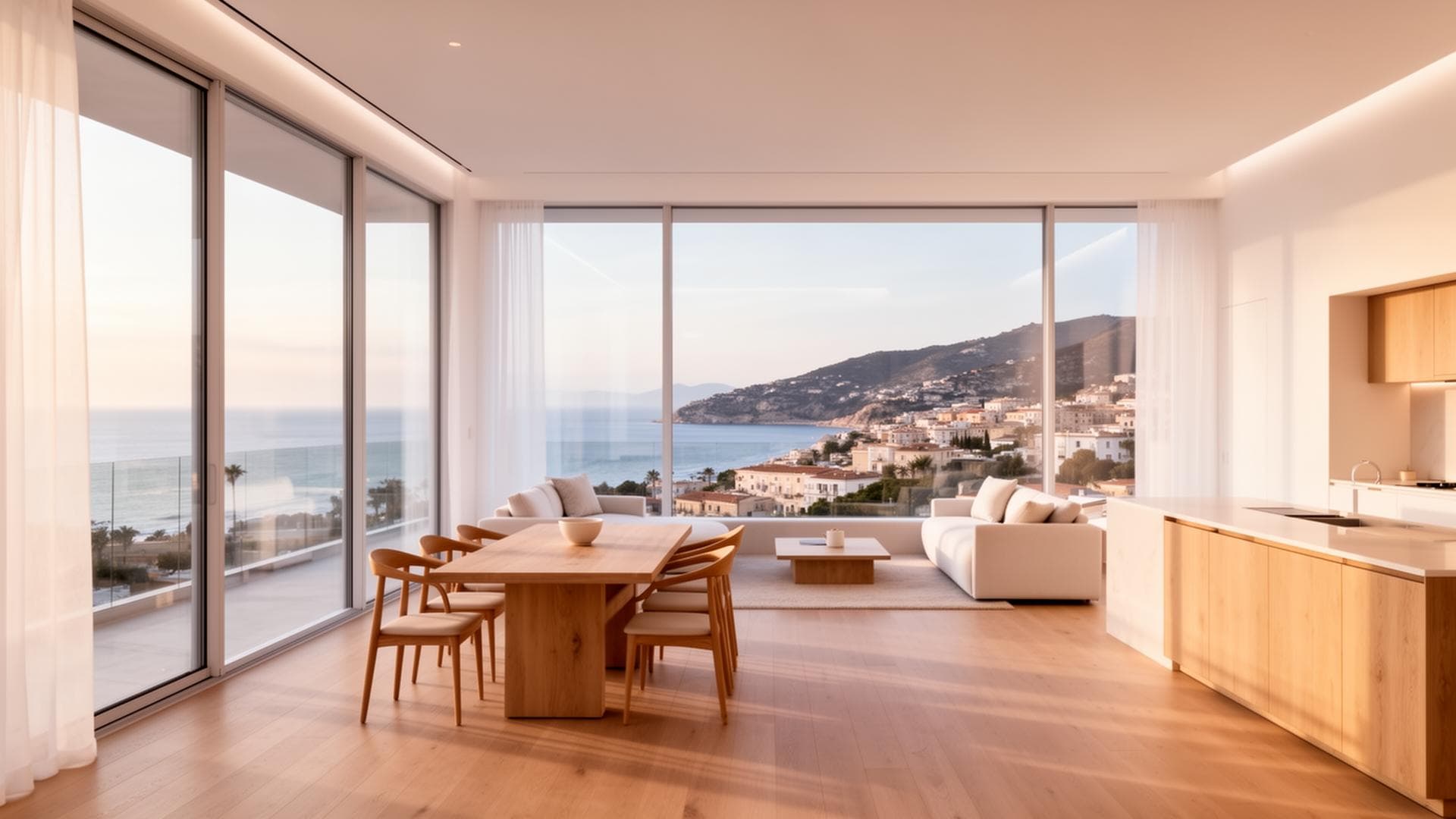
Apartments for sale in Alhaurín de la Torre
3
Listings
€2,883
Avg / sqm
Alhaurín de la Torre
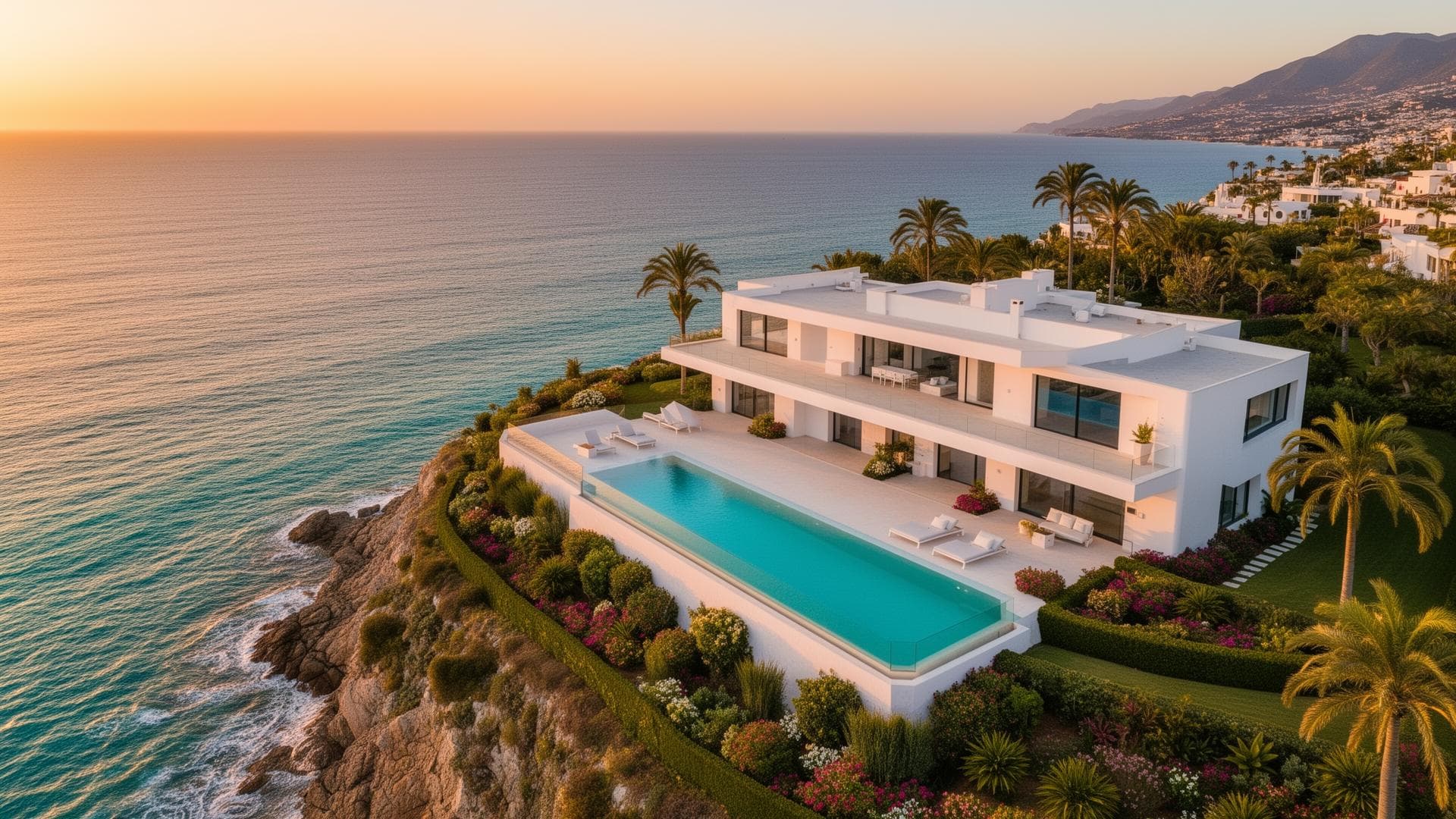
Villas for sale in Alhaurín de la Torre
33
Listings
€2,883
Avg / sqm
Alhaurín de la Torre
Penthouses for sale in Alhaurín de la Torre
1
Listings
€2,883
Avg / sqm
Alhaurín de la Torre
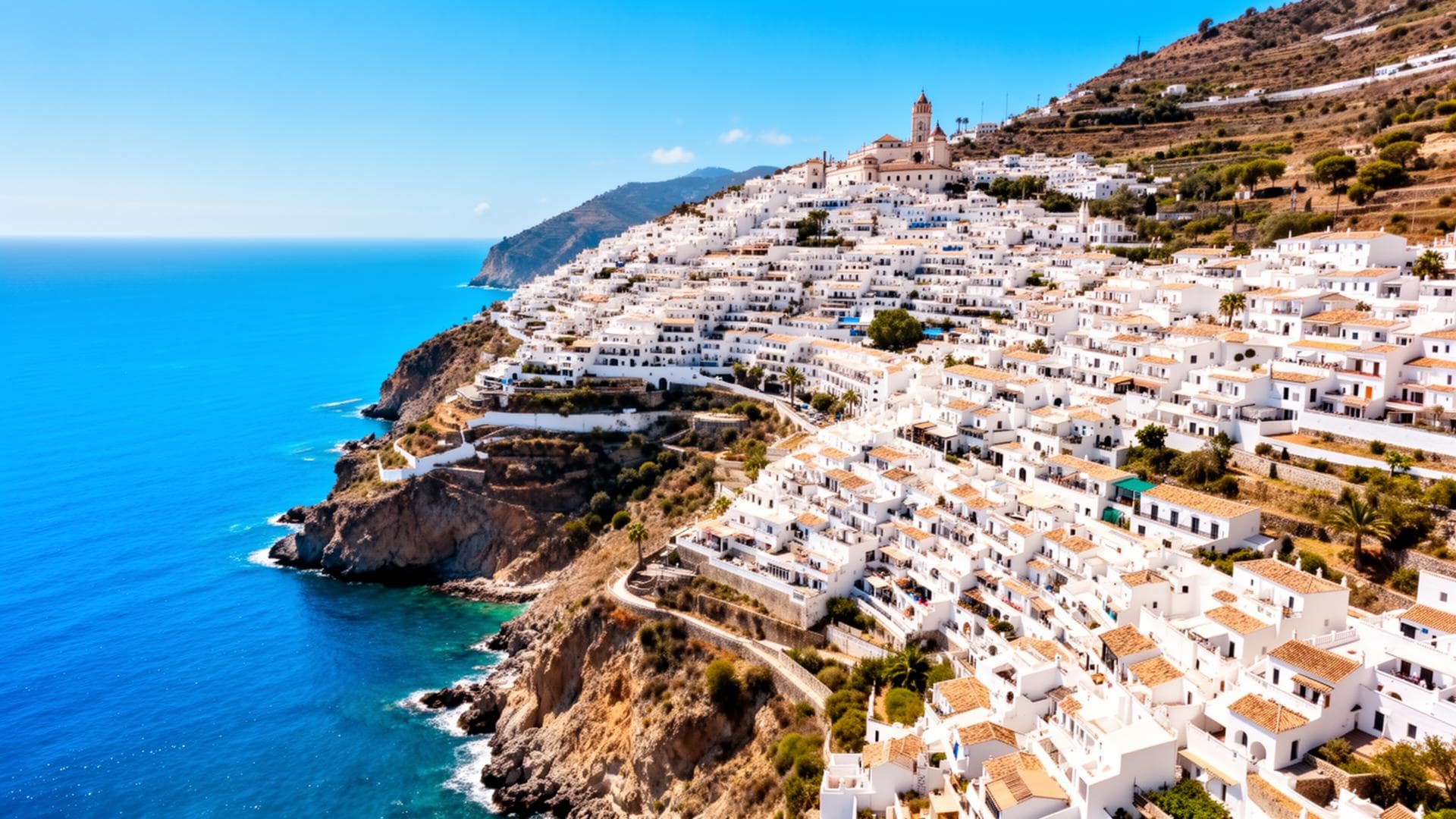
Townhouses for sale in Alhaurín de la Torre
8
Listings
€2,883
Avg / sqm
Alhaurín de la Torre
Fincas for sale in Alhaurín de la Torre
6
Listings
€2,883
Avg / sqm
Search by setting
Sea view
Golf
Communities
Alhaurín de la Torre guides
In-depth guides for international buyers considering Alhaurín de la Torre, Costa del Sol.
Taxes, legal steps, timelines, viewing trips, financing, and the quirks foreign buyers need to know, step by step.
IBI, the Modelo 210 tax non-residents forget, community fees and selling costs, with 2026 Andalucía rates and a worked example.
An honest verdict with town-by-town Costa del Sol prices, the real risks, and who should not buy.